
From Next-Day Reporting to Real-Time Performance Management: A Key Challenge for Manufacturers
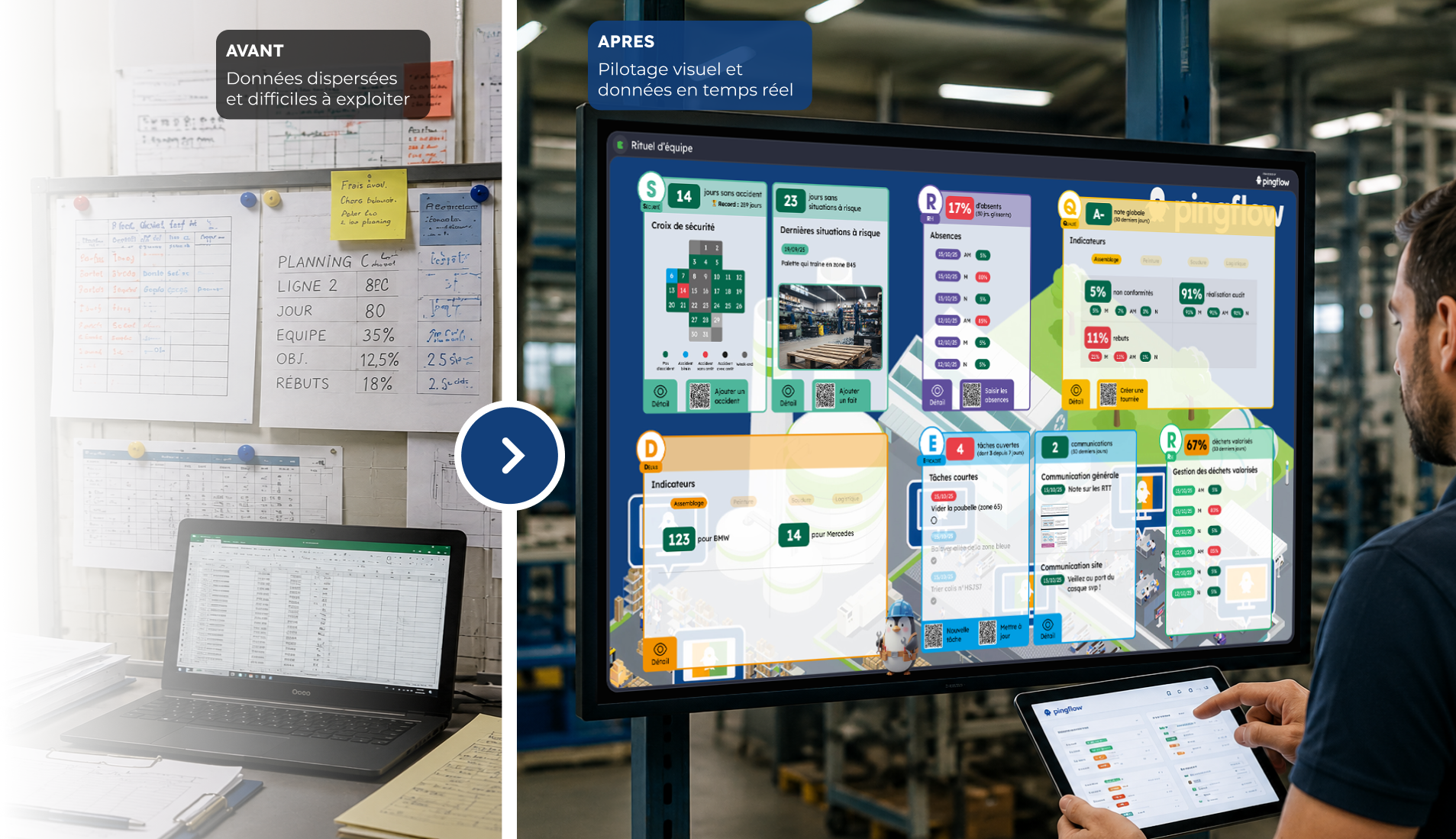
There are two ways to manage a factory: the first is to review what has happened, while the second is to see what is happening. In the first case, results are analyzed at the end of a shift, at the end of the day, or sometimes the following day. Teams explain, justify, and correct issues… after the fact. In the second, they take action as events unfold.
This is the subtle yet decisive transformation undertaken by Toyotomi Europe, an automotive supplier based in Valenciennes, France. Despite having a well-structured organization and experienced teams, one challenge remained: operational performance management still relied partly on data consolidated after the fact.
The result: performance deviations detected too late, limited responsiveness, and difficulties taking effective action on the shop floor.
By implementing a digital Andon system, the company gradually shifted its approach: moving from delayed performance reporting to real-time performance management, delivering tangible improvements in operational performance and organization.
Toyotomi Europe: A Manufacturing Plant Where Responsiveness Is Critical


The plant manufactures structural components for the automotive industry, particularly for Toyota, supplying parts for up to 1,700 vehicles per day.
Its operations involve several manufacturing processes (stamping, welding, and assembly), with tightly synchronized and interconnected production flows. In this type of environment, every disruption has a direct impact on production.
The ability to quickly detect problems and mobilize the right resources is therefore a key driver of operational performance.

A Shared Challenge: Limited Operational Visibility
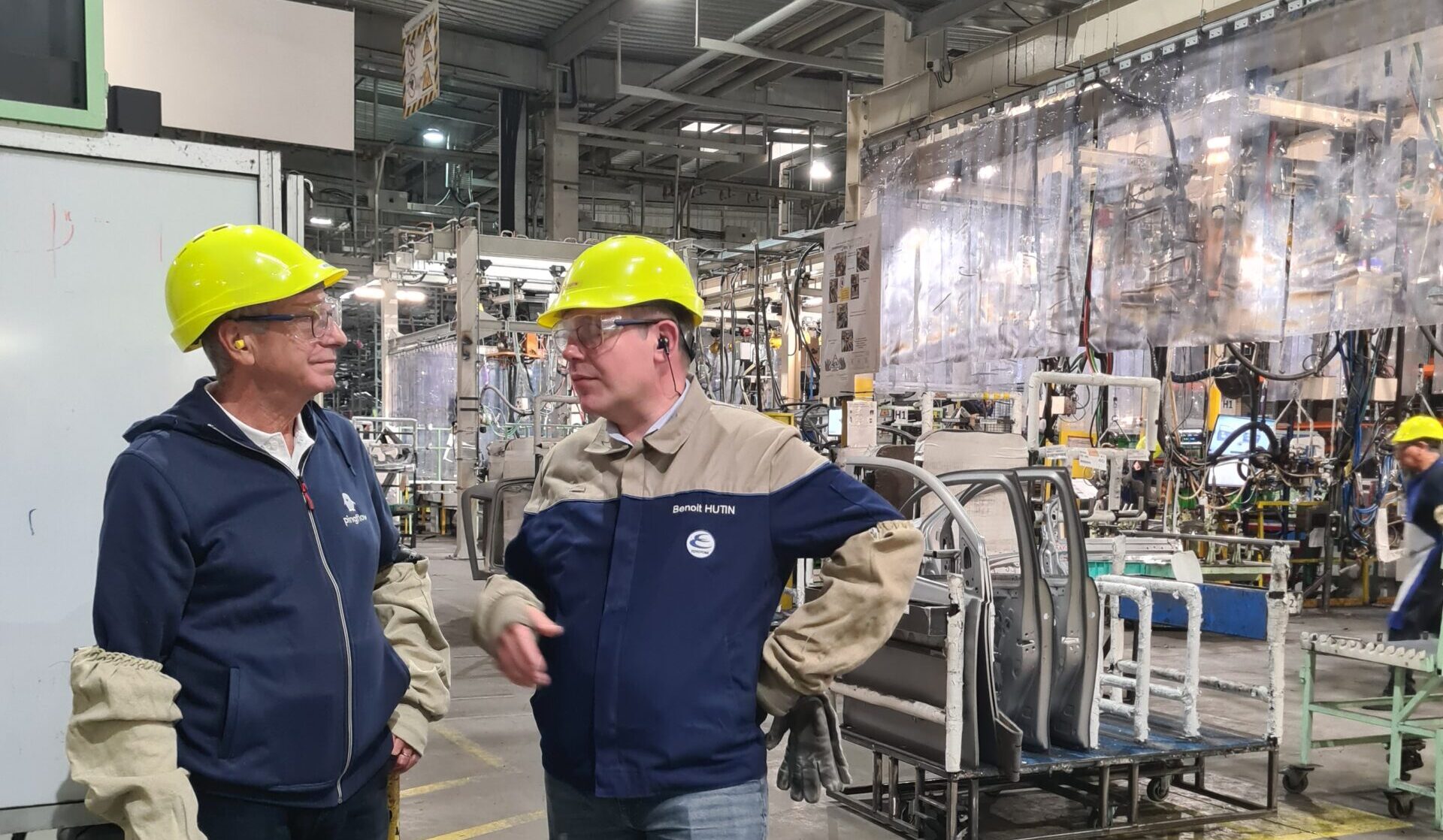
When Benoît Hutin joined the company as Production Manager, he quickly identified a major challenge: the gap between what was happening on the shop floor and the data available to manage operations.
Some information was only available the following day (D+1), through manual data consolidation or updates from shop floor teams. This resulted in:
- Reactive rather than proactive performance management
- Decisions made without a complete picture of the situation
- Difficulty identifying the root causes of performance deviations
In other words, the teams did not lack data. They lacked actionable data at the right time.
How the Japanese Model Inspired a Change in Mindset
As part of his onboarding, Benoît Hutin traveled to Japan to spend time within the group. This experience proved to be an eye-opener.

CWhat impressed him most was not the technology itself, but the discipline behind daily operations:
- Strict adherence to standards
- Immediate response to deviations
- Direct involvement of operators in problem-solving
In this model, handling abnormalities follows a simple principle: a problem must be immediately visible and addressed without delay.
This approach contrasts with certain practices observed in Europe, where teams may sometimes work around established standards or address problems after the fact.
This difference highlighted a major opportunity for improvement: strengthening real-time visibility to enable faster, more effective action.
Digital Andon: Enabling Real-Time Production Management

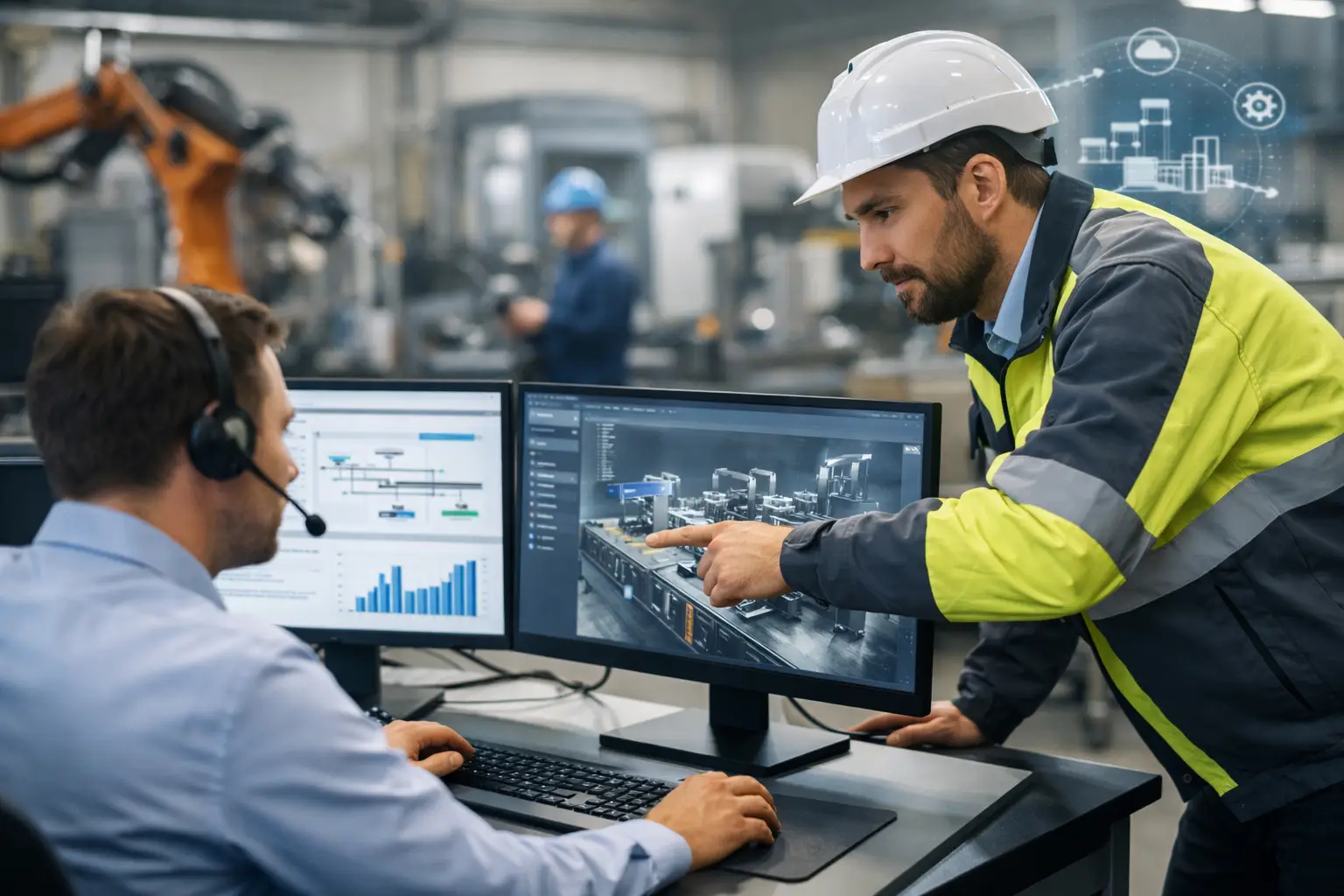
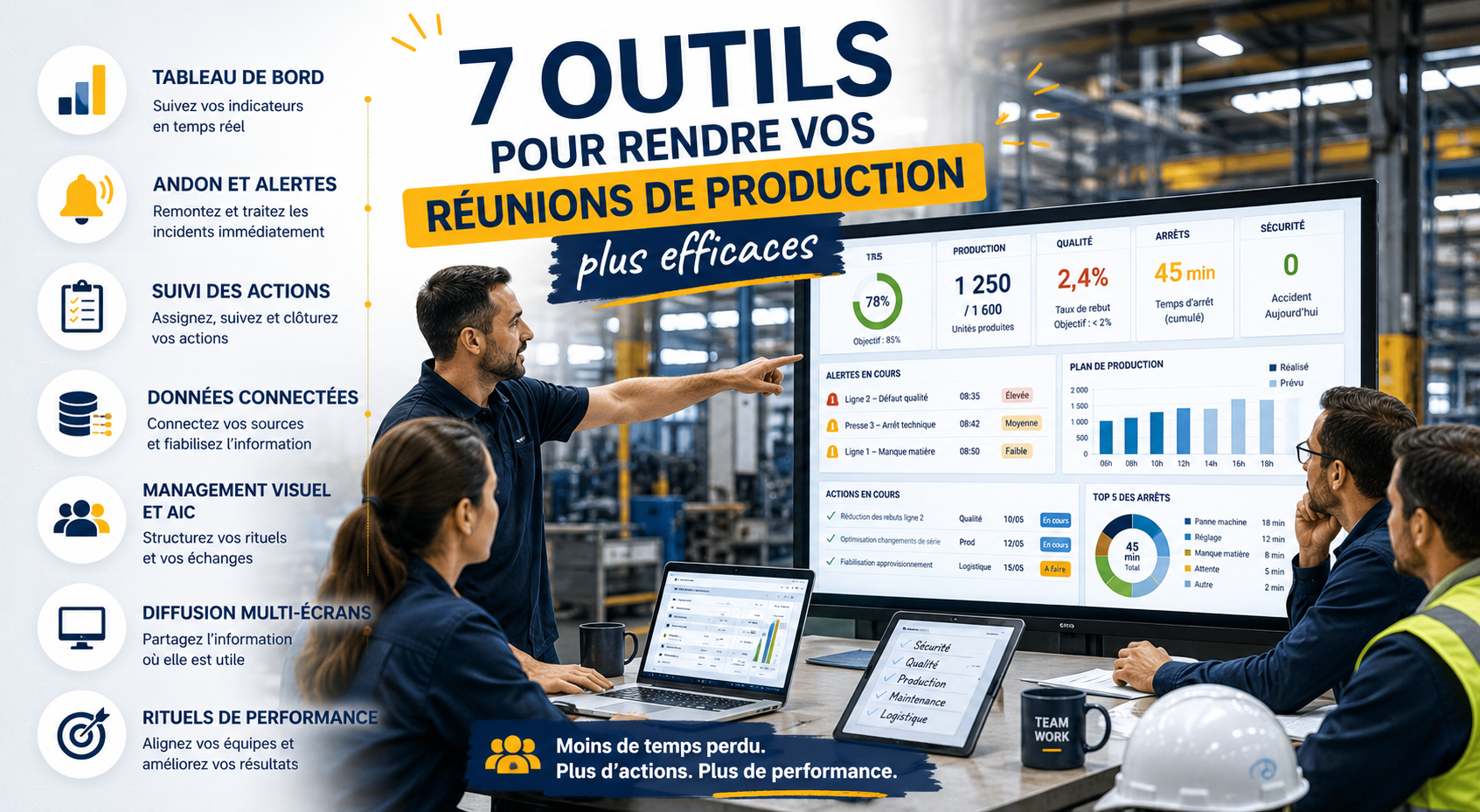
At Toyotomi, a digital Andon system had already been in place for several years in partnership with Pingflow. Its use gradually expanded to support and structure daily production management.
In practical terms, the system enables teams to:
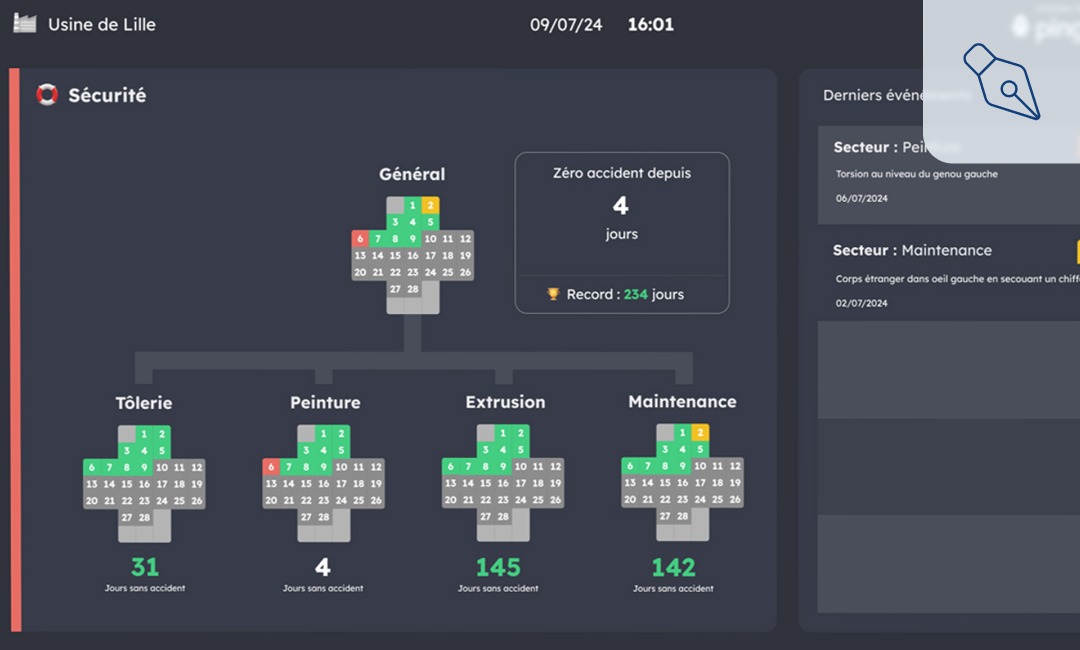
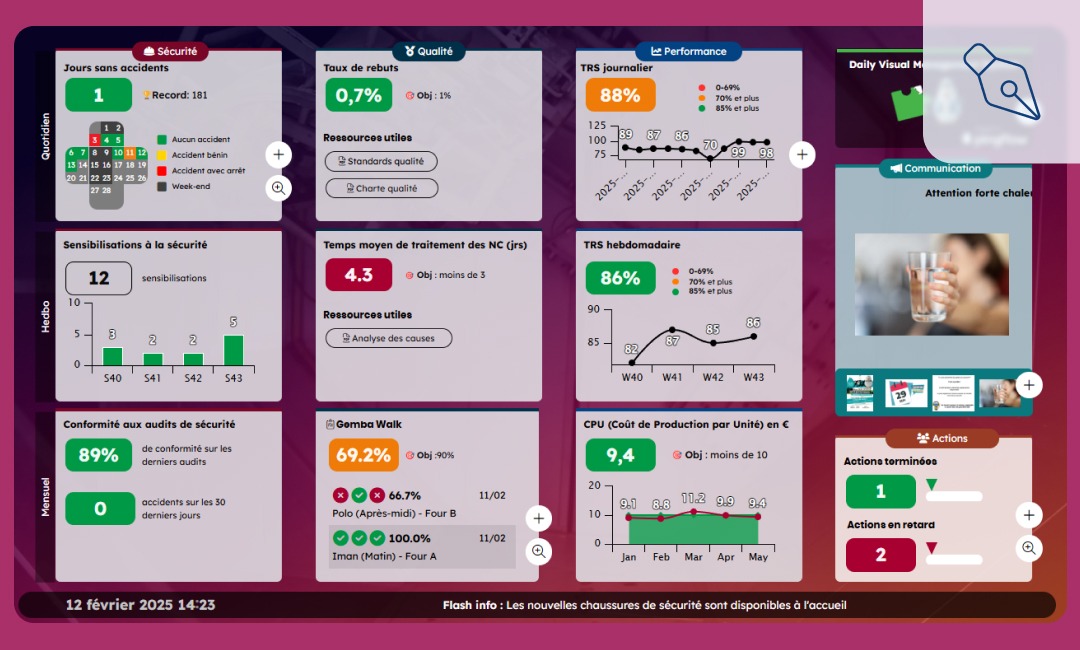
- Monitor production progress in real time
- Visualize performance deviations (ahead of schedule, delays, incidents)
- Trigger alerts directly from workstations
- Quickly coordinate interventions by team leaders and maintenance teams
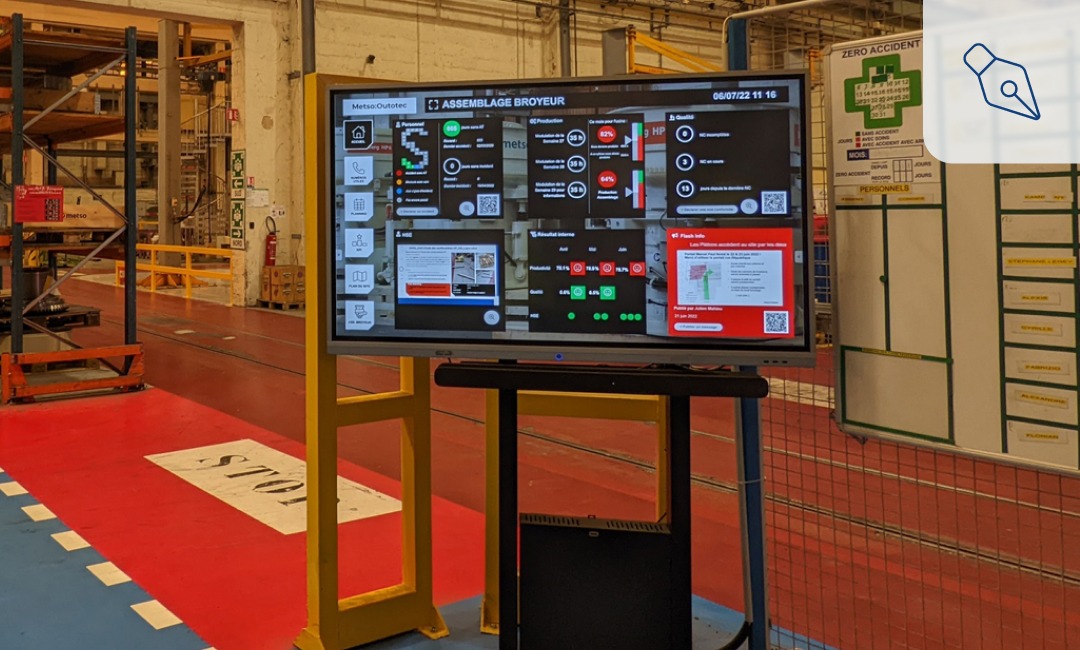
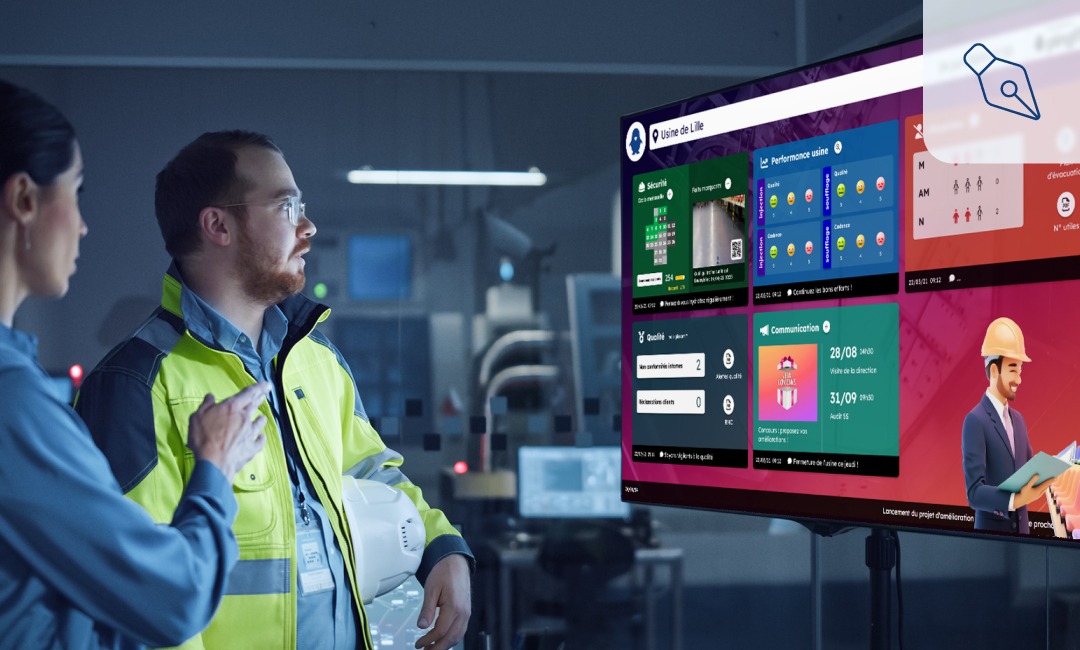
Information is displayed across multiple devices, including shop floor screens, computers, and smartphones.
This is essential: data is not simply collected. It is made visible and accessible at every level of the organization.
Rapid Improvements in Performance and Team Coordination
What Made These Improvements Possible
- Operators can immediately report problems.
- Teams no longer need to spend time searching for information.
- Interventions are faster and more targeted.
How This Transforms Daily Operations
- Communication between teams becomes more fact-based.
- Priorities are clarified in real time.
- Operational decisions are increasingly driven by data rather than assumptions.
From Visibility to Analysis: Making the Most of Shop Floor Data
UOnce real-time visibility is established, a second challenge emerges: turning collected data into actionable insights.
The Andon system captures a large volume of operational data, including:
- Technical incidents
- Operator assistance requests
- Variations in production rates
This data provides a valuable opportunity to identify and analyze recurring causes of poor performance.
The goal is not only to address major incidents but also to identify minor disruptions such as:
- Stoppages lasting just a few seconds
- Inefficient movements or processes
- Everyday operational inefficiencies
Individually, these issues may seem insignificant. However, when combined, they can account for a substantial share of production losses.
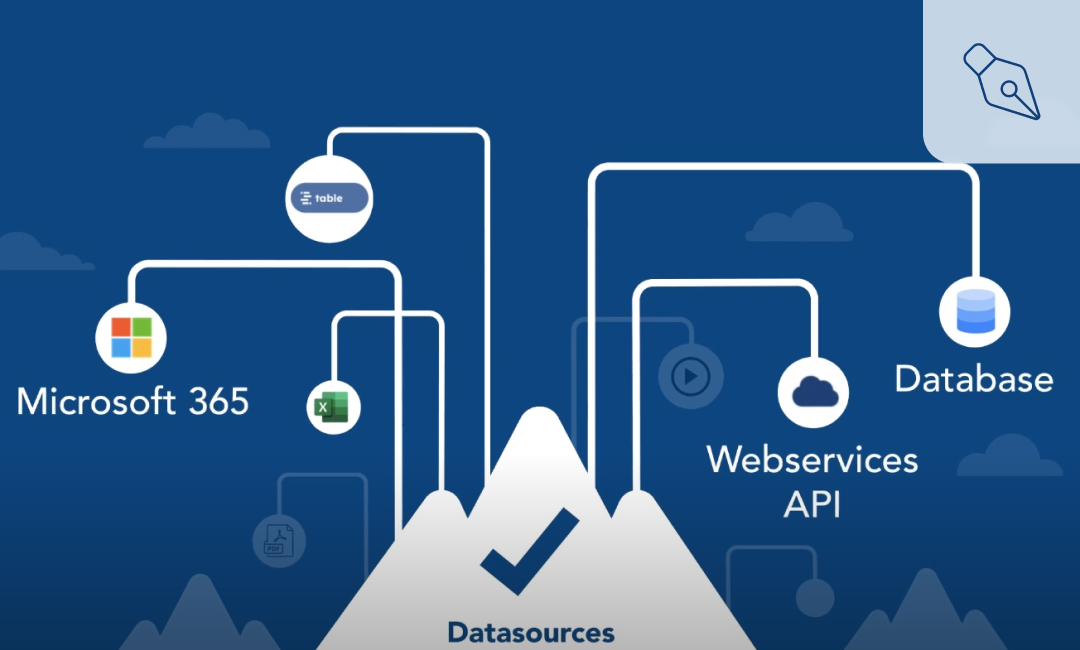
Integrating analytics tools, such as Business Intelligence (BI) solutions, enables manufacturers to move beyond reactive performance management toward a structured approach to continuous improvement.
A Central Challenge: Management and a Shift in Mindset
While implementing a digital tool is relatively straightforward, successful adoption depends primarily on management practices.

At Toyotomi, the main challenge was not technical, but cultural.
Moving toward data-driven performance management means moving beyond intuition, being willing to challenge established habits, and adopting a structured approach to problem analysis.
It also requires supporting employees through the transition, as not everyone adapts in the same way. Some quickly embrace an analytical mindset, while others need additional training and guidance.
Management therefore plays a decisive role in ensuring these new practices become firmly embedded in daily operations.
Putting Shop Floor Teams at the Heart of Continuous Improvement
One of the key lessons from this transformation is the importance of frontline operators.
At Toyotomi, several initiatives have been introduced to increase their involvement:
- Workstation analysis
- Discussions and knowledge sharing between operators
- Identification of everyday operational challenges
These initiatives have helped uncover practical improvement opportunities, often overlooked by managers.
This is a crucial point: operational performance depends not only on tools and data, but also on the ability to listen to frontline teams and leverage their expertise.

Toward a Lasting Transformation of Manufacturing Practices
Today, Toyotomi continues to expand the use of its tools and methodologies through:
- Extending the Andon system to other operational areas
- Developing dashboards and advanced analytics
- Introducing digital daily management routines
But beyond the technology, a deeper transformation is underway.
The shift to real-time performance management goes far beyond immediate operational improvements. It fundamentally changes how teams work, collaborate, and make decisions.
Conclusion: Real-Time Visibility for More Effective Action
Toyotomi's experience highlights a crucial lesson for manufacturers: performance depends not only on the ability to produce, but also on the ability to see, understand, and act quickly.
Digital Andon plays a key role in this transformation:
- It makes problems visible
- It accelerates decision-making
- It aligns teams around a shared understanding of operational reality
By shifting from delayed reporting to real-time performance management, Toyotomi has achieved more than just improvements in its performance indicators.
The company has laid the foundation for a more responsive, data-driven organization with a stronger focus on continuous improvement.