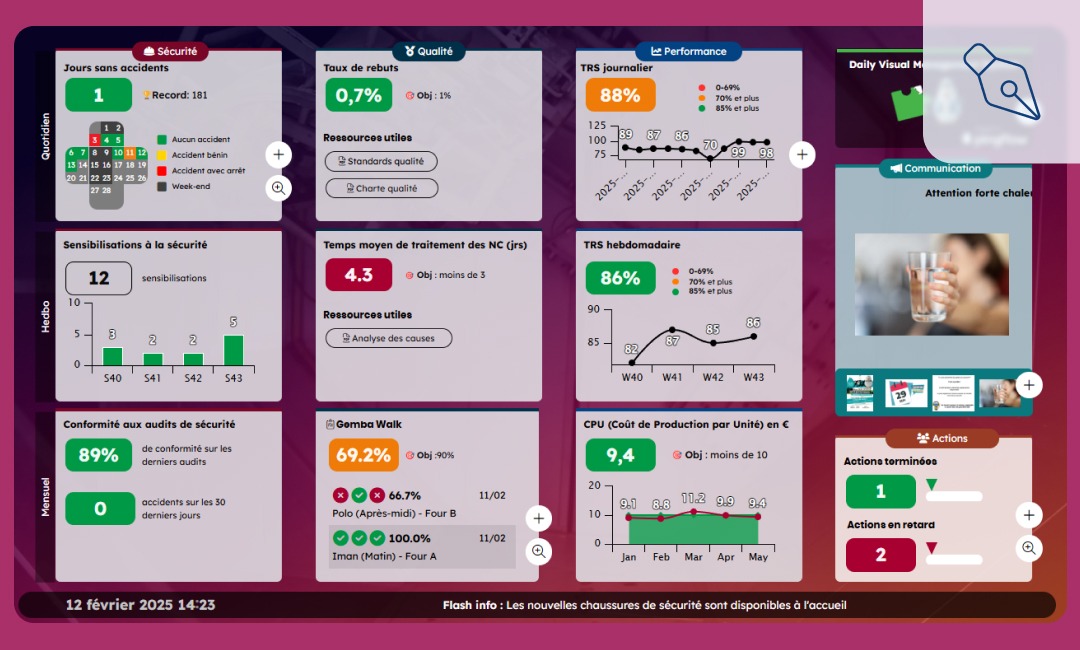

In a highly competitive logistics sector, where margins are tight and operational complexity is high, Bils-Deroo Group has made a strategic decision: to structure its operations and performance management through digital visual management.


Full-service logistics provider.
Like many logistics providers, the company faces several structural challenges:
- Multi-client operations
- Fragmented information systems
- Increasing demands for responsiveness
- High fixed costs
- A constant need to adapt
In this context, performance management can no longer rely solely on Excel exports or delayed reporting.
The company needed a tool capable of:
Ensure Reliable Performance Measurement
Connect Warehouse Operations & Office Teams
Identify Profitability Drivers
Structure Continuous Improvement
This is how the JARVIS initiative came to life.
Why This Customer Success Story Is Reassuring for SMEs and Mid-Sized Companies
Digital visual management can:
- Be implemented progressively
- Adapt to complex operational environments
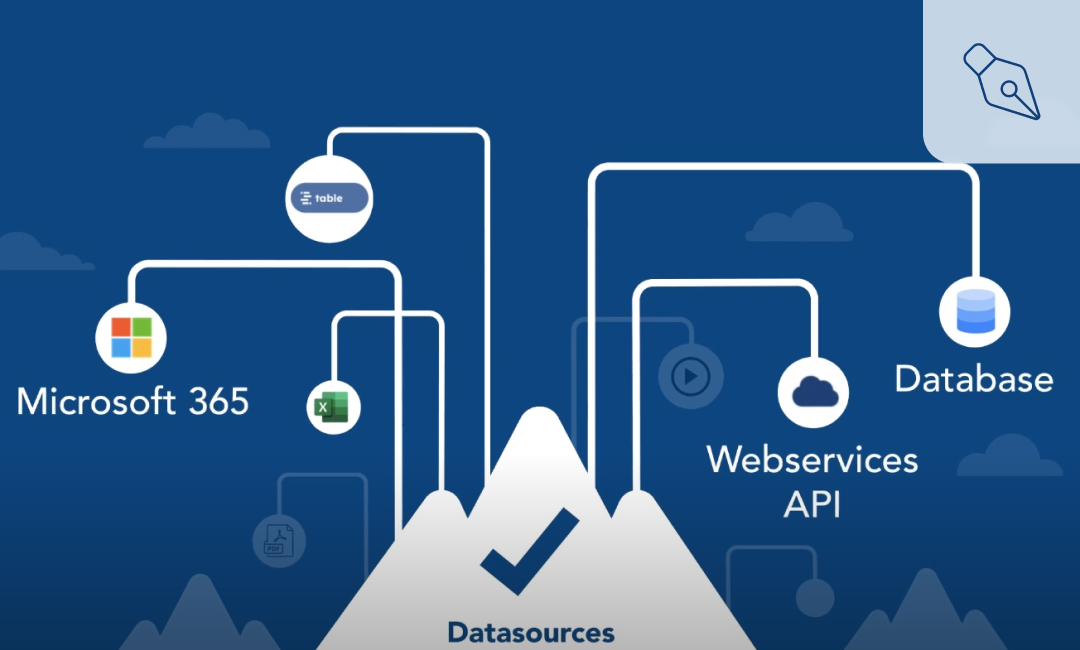
- Integrate with heterogeneous IT systems
- Deliver value without requiring a major IT overhaul
With Pingflow, the approach was structured around practical use cases, simplicity, and adoption by frontline teams.
Project Origins: Turning Insights into Action
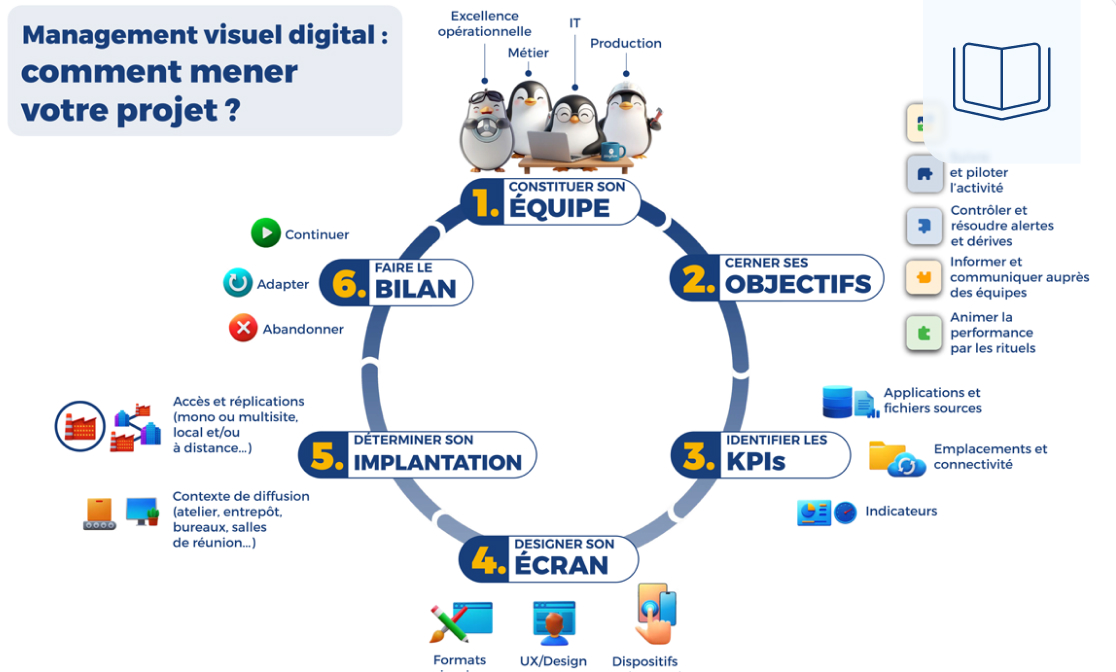
Digital Visual Management Project Timeline
A simple timeline illustrating each stage, from initial planning to frontline adoption.
Needs Assessment
Align operational needs, constraints, and objectives.
Pilot Site Selection
Start with a clearly defined and manageable scope.
Workload & Capacity KPIs
Define relevant, easy-to-understand, and actionable KPIs.
Screen Installation
Make data available where decisions are made.
Digital SIM Meetings
Structure team meetings and drive action-taking.
Frontline Adoption
Embed daily usage and sustain continuous engagement.
For Bils-Deroo Group, digital visual management was never meant to be just about installing screens.
The ambition was broader: to create a scalable core model adaptable to different sites and clients, while remaining independent of the Warehouse Management Systems (WMS) in use.
The project was designed as:
- An initiative to foster a culture of operational excellence
- A driver of employee engagement
- A decision-support tool
Together with Pingflow, the decision was made to take a phased approach, starting with a pilot site and a clearly defined use case.
The rollout included:
- A focus on adoption by frontline teams
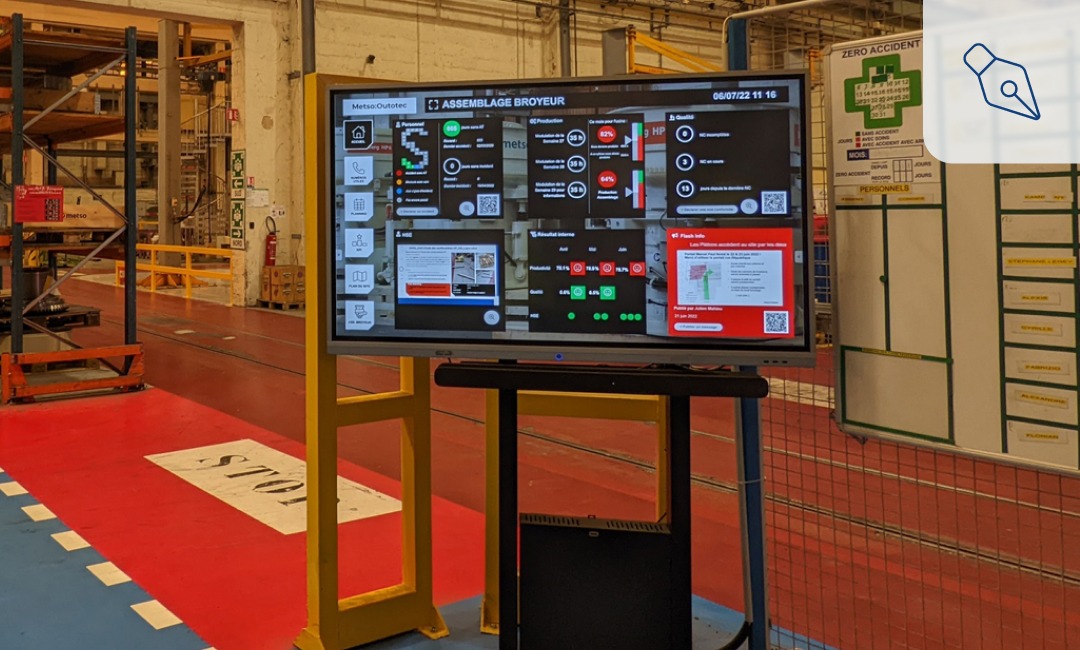
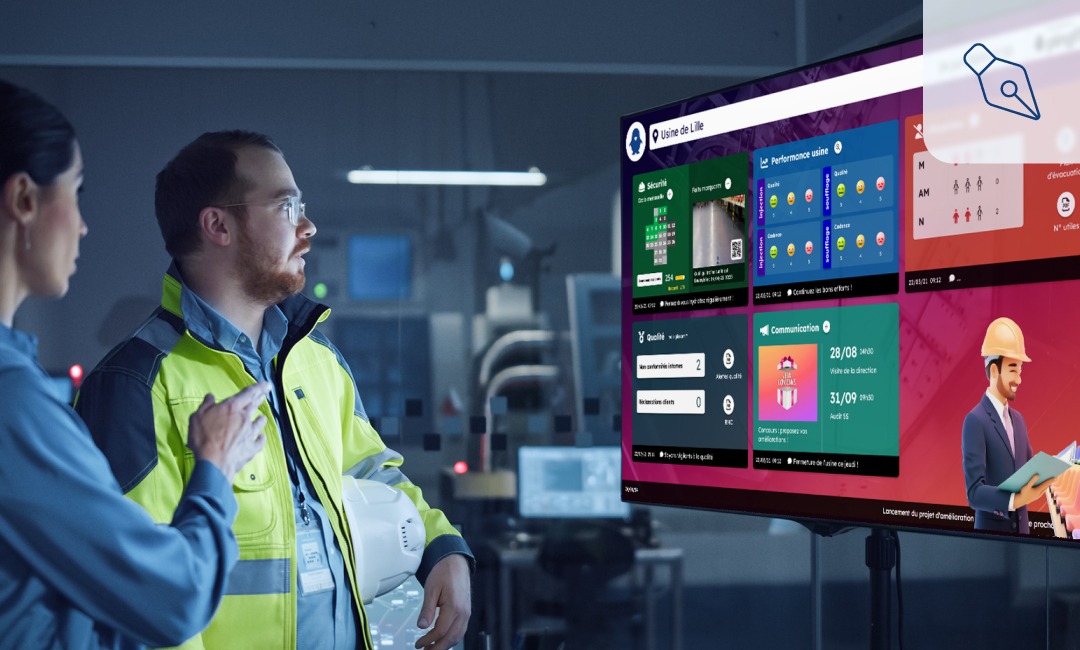
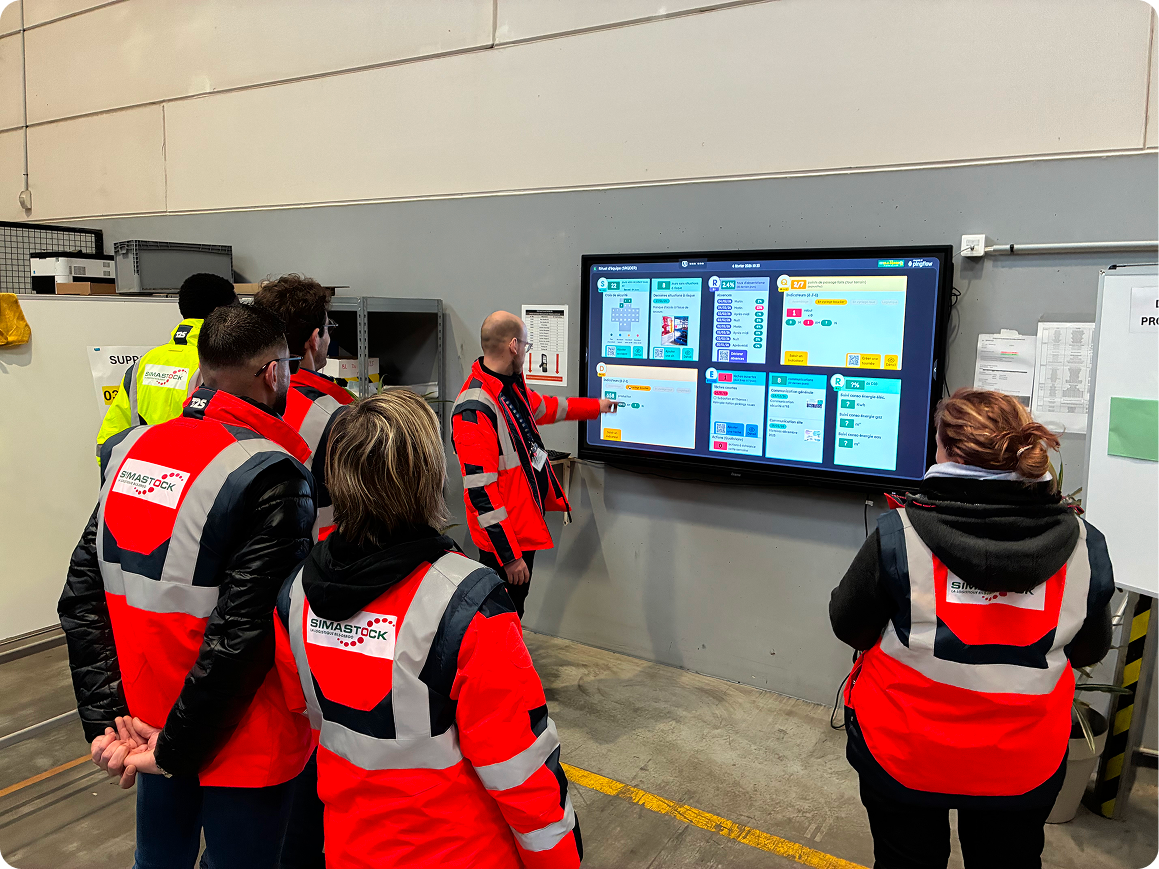
- The installation of visual management screens in the warehouse
- The development of workload and capacity indicators
- The introduction of digital Short Interval Management (SIM) meetings
The goal was not to monitor employees, but to provide greater visibility.
Overcoming Barriers: IT, Company Culture, and Perceptions of Employee Monitoring

As is often the case with SMEs and mid-sized companies, several challenges had to be addressed from the outset:
- Heterogeneous IT systems
- IT complexity
- Limited internal resources
- Concerns about the solution being perceived as an employee surveillance tool
Choosing a plug-and-play, no-code, lightweight digital visual management solution helped minimize the technical impact. However, the real key to the project's success was the human factor.
Digital visual management was introduced not as a monitoring tool, but as a way to empower teams and improve responsiveness. KPIs were developed collaboratively. Daily management routines were structured. Teams were involved from the earliest stages of the project.
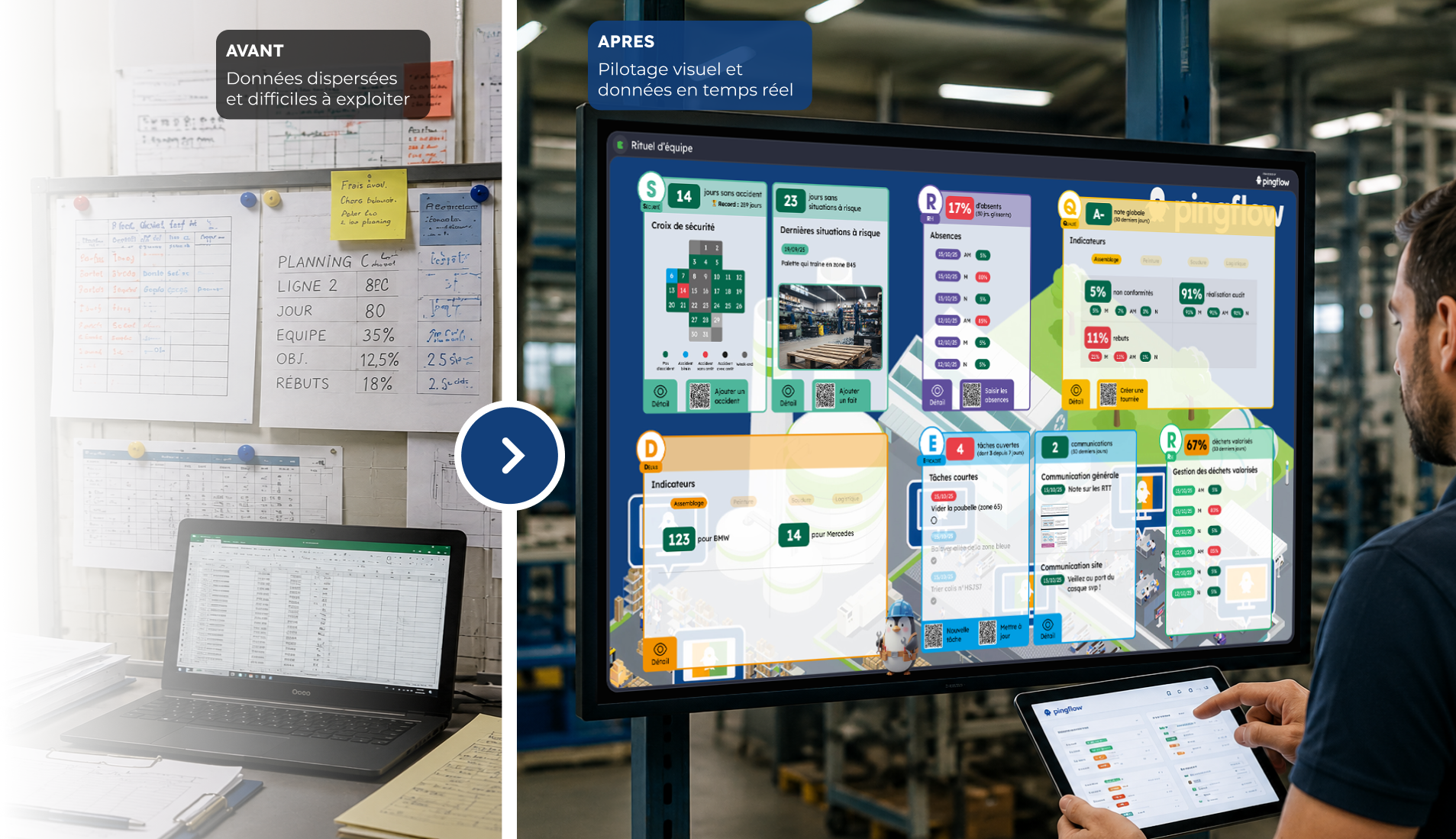
Before
After
Before & After: How Digital Visual Management Transforms Operations

Before the project:
- Scattered data
- Limited real-time visibility
- Difficulty sharing the same KPIs between frontline teams and managers
- Responsiveness dependent on informal communication
After implementation:
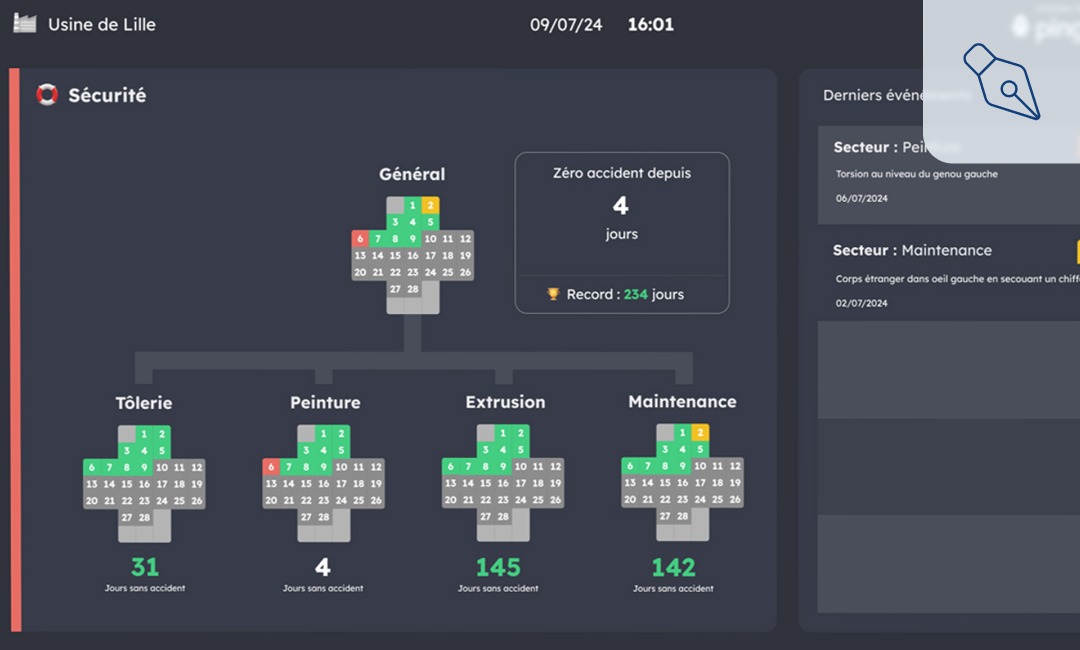
- Real-time monitoring of logistics operations
- Workload and capacity KPIs visible to everyone
- Structured daily management routines based on reliable data
- Improved coordination between frontline teams and management
- Greater agility to adjust operations in response to fluctuations in demand
Digital visual management becomes a decision-making tool, not just a screen displaying information.

💬 Lionel Vanacker's Perspective
Innovation Engineer – Bils-Deroo Group
"Innovation should not start with technology, but with what happens on the ground.
If teams do not understand the KPIs or use them in their daily work, the tool serves no purpose.
Digital visual management has enabled us to establish a shared understanding of performance, from the loading dock to the office, and respond more quickly to fluctuations in our operations."
Innovation Driving Performance and Empowering People
For Lionel Vanacker, Innovation Engineer at Bils-Deroo Group, innovation should not be driven by technology alone.
It must start with the needs of frontline teams.
The digital visual management project has also helped to:
- Modernize the group's image among its clients
- Strengthen its ability to attract talent
- Develop a consistent Corporate Social Responsibility (CSR) strategy
- Make digital transformation work for employees
Key Takeaways
The Bils-Deroo Group case study provides a concrete example of how to successfully implement a digital visual management project in a demanding logistics environment.

Key Success Factors
A Clear Vision
A Phased Implementation
Strong Team Involvement
Relevant Performance Indicators
A Partner to Support Change Management
Et non uniquement un projet technologique.
Pour les responsables production, directeurs logistiques, DG de PME/ETI ou responsables amélioration continue, ce retour d’expérience démontre qu’un projet de management visuel digital est avant tout un projet d’usage et de méthode.
Approche terrain
Plug & play
No-code
Accompagnement au changement
Vision Industrie du Futur